BeauSoleil — Rare Footage & Clips
The humid air clings to the cypress trees as the sun sets over the bayou, casting a golden glow on the water's surface. It's a scene that's been etched in the collective memory of Cajun music fans for decades, thanks in large part to the enduring legacy of BeauSoleil.
Formed in 1975 by Michael Doucet and his brother David, BeauSoleil was one of the pioneering bands to emerge from the vibrant Cajun music scene in Louisiana. Their early years were marked by a dedication to traditional Cajun sounds, but it wasn't long before they began experimenting with new styles and influences. The 1980s saw the release of several critically acclaimed albums, including Bayou Boogie (1986) and Hot Chili Mama (1987), which showcased the band's ability to blend old and new.
One of the defining characteristics of BeauSoleil's sound is their seamless integration of traditional Cajun instrumentation with modern production techniques. Their music often features the accordion, fiddle, and rubboard, but it's also infused with a sense of energy and spontaneity that's hard to replicate in a studio setting. This approach has earned them a reputation as one of the most innovative and exciting bands to emerge from the Cajun scene.
The band's name, "BeauSoleil," is French for "beautiful sun," which reflects their commitment to preserving the rich cultural heritage of Louisiana. Their music is a testament to the state's unique blend of European, African, and indigenous influences, which has created a distinct sound that's both timeless and forward-thinking.
In 1988, BeauSoleil released Allons à Lafayette & More avec Canray Fontenot, an album that marked a significant shift in their creative direction. Recorded live at the Festival International de Louisiane in Lafayette, the album features a series of impromptu performances with visiting musicians from around the world. The result is a dynamic and unpredictable sound that's both deeply rooted in tradition and open to new possibilities.
The following year saw the release of Bayou Cadillac (1989), an album that cemented BeauSoleil's reputation as one of the leading lights of the Cajun music scene. Featuring a range of original compositions, including the title track and "J'ai Était au Bal," the album showcases the band's ability to craft memorable melodies and lyrics that are both deeply personal and universally relatable.
Throughout their career, BeauSoleil has been driven by a commitment to preserving the cultural heritage of Louisiana. Their music is a testament to the state's rich musical traditions, which have been shaped by generations of immigrants from Europe, Africa, and the Caribbean. From the accordion-driven waltzes of traditional Cajun music to the zydeco rhythms that emerged in the 1950s, BeauSoleil has always sought to honor the past while pushing the boundaries of what's possible.
In addition to their live performances and recordings, BeauSoleil has also been involved in a range of educational initiatives aimed at promoting Cajun music and culture. Their work with young musicians and teachers has helped to ensure that the state's unique musical traditions continue to thrive for generations to come.
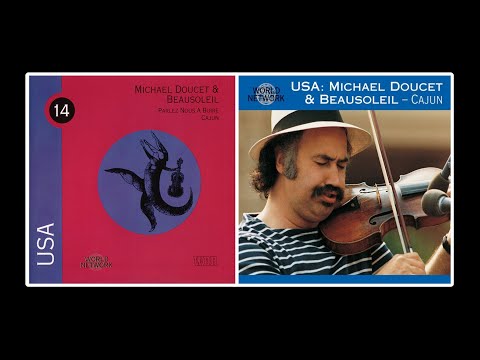
The 1990s saw the release of several albums that further cemented BeauSoleil's reputation as one of the leading bands in the Cajun scene. Parlez-nous à boire (1990) and Cajun Conja (1991) both showcased the band's ability to craft infectious melodies and lyrics, while Their Swallow Recordings (1992) marked a significant shift towards more experimental sounds.
La Danse de la vie (1993) was another critical success for the band, featuring a range of original compositions that explored themes of love, loss, and redemption. The album's title track, "La Danse de la Vie," is a hauntingly beautiful ballad that showcases Doucet's soaring vocals and the band's ability to craft memorable melodies.
L'Écho (1994) was another significant release for BeauSoleil, featuring a range of original compositions that explored themes of identity, community, and social justice. The album marked a turning point in the band's career, as they began to explore more experimental sounds and collaborate with musicians from around the world.
Throughout their career, BeauSoleil has been driven by a commitment to preserving the cultural heritage of Louisiana. Their music is a testament to the state's rich musical traditions, which have been shaped by generations of immigrants from Europe, Africa, and the Caribbean. From the accordion-driven waltzes of traditional Cajun music to the zydeco rhythms that emerged in the 1950s, BeauSoleil has always sought to honor the past while pushing the boundaries of what's possible.
As we look back on their remarkable career, it's clear that BeauSoleil has left an indelible mark on the world of music. Their innovative approach to traditional Cajun sounds has inspired a new generation of musicians and fans alike, while their commitment to preserving cultural heritage has ensured that the state's unique musical traditions continue to thrive for generations to come.
The image of Michael Doucet standing alone on stage, his accordion shining under the lights, is one that's been etched in the collective memory of Cajun music fans for decades. It's a testament to the enduring power of BeauSoleil's music, which continues to inspire and uplift audiences around the world.
Curated from public records and music databases.