Battlefield Band — Rare Footage & Clips
Glasgow's 1969 counterculture was a cauldron of creativity, brewing up a potent mix of folk, rock, and traditional music that would soon spill out onto the world stage. Amidst this ferment, Battlefield Band emerged as one of Scotland's most innovative and influential groups. Formed in the city's vibrant music scene, they brought together a disparate group of musicians with a shared passion for pushing the boundaries of traditional Scottish sound.
Their early years were marked by a series of albums that showcased their unique blend of bagpipes, electronic keyboards, and folk sensibilities. The 1977 self-titled debut is notable for its bold experimentation, featuring tracks like "The Battle's O'er" and "The Wind That Shakes the Barley", which would become staples of their live shows. This was no mere revival of traditional music, but a radical reimagining that drew on the band's collective experiences as travelers, activists, and artists.
By 1978, Battlefield Band had refined their sound with the release of Wae's Me for Prince Charlie and At the Front, two albums that would cement their reputation as one of the most exciting new voices in Scottish music. These records boasted a more polished production, but still retained the band's raw energy and commitment to innovation. It was during this period that they began to tour extensively, taking their unique sound to audiences across Europe, Australia, Asia, the Middle East, and North America.
The late 1970s and early 1980s saw Battlefield Band at the height of their creative powers, releasing a string of critically-acclaimed albums that explored new textures and themes. Stand Easy (1979) and Home Is Where the Van Is (1980) showcased their ability to craft memorable melodies and lyrics, while There's a Buzz (1982) introduced a more experimental edge, incorporating electronic elements and found sounds.
As the band continued to evolve, they began to attract attention from outside the traditional music scene. Collaborations with artists like Alison Kinnaird, a Scottish harp player and glass sculptor, added a new dimension to their sound, while also highlighting their commitment to interdisciplinary collaboration. This willingness to push boundaries was reflected in albums like Anthem for the Common Man (1984) and On the Rise (1985), which tackled themes of social justice and personal freedom.
Throughout the 1990s and beyond, Battlefield Band continued to tour and record, releasing a string of albums that demonstrated their ongoing relevance and innovation. New Spring (1991) marked a new era for the band, with its more stripped-back arrangements and focus on storytelling through song. Even as the band's lineup changed over the years, their commitment to exploring new sounds and themes remained unwavering.
Today, Battlefield Band's legacy can be heard in the many artists who have followed in their footsteps, from folk-rock bands like Flogging Molly to electronic-infused traditionalists like The Pogues. Their influence extends far beyond Scotland's borders, with fans across the globe drawn to their unique blend of tradition and innovation. As we reflect on their remarkable history, it's clear that Battlefield Band was never just a band – they were a movement, a catalyst for change, and a testament to the power of music to shape our lives and our world.
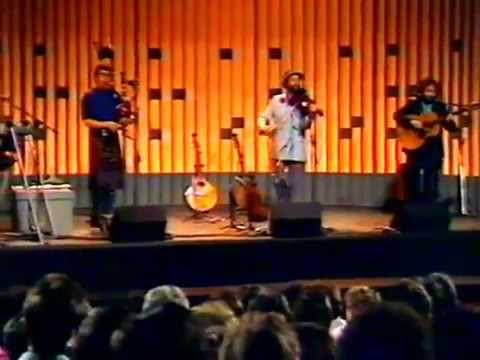
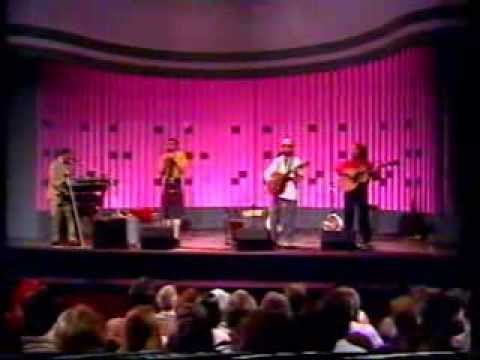
In the archive, you can find clips from their 1978 performance at the Glasgow Folk Club, where they premiered tracks from Wae's Me for Prince Charlie. The raw energy and camaraderie on display that night is a testament to the band's enduring spirit and creative vision. Similarly, their 1984 recording of "Anthem for the Common Man" showcases their ability to craft anthemic choruses and socially conscious lyrics, themes that would continue to resonate with audiences throughout their career.
As we celebrate Battlefield Band's contributions to Scottish music history, it's worth noting the significance of their collaboration with Alison Kinnaird. This partnership not only highlighted the band's commitment to interdisciplinary collaboration but also introduced a new dimension to their sound, one that blended traditional instruments with electronic elements and found sounds.
Battlefield Band's story is one of creativity, innovation, and perseverance – qualities that have made them an enduring presence in Scottish music for over five decades. As we look back on their remarkable history, it's clear that they will continue to inspire new generations of musicians and fans alike.
Curated from public records and music databases.