Barry Gibb — Rare Footage & Clips
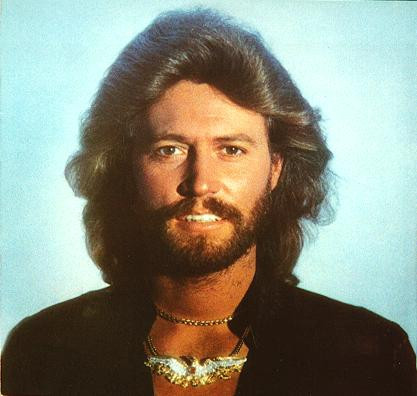
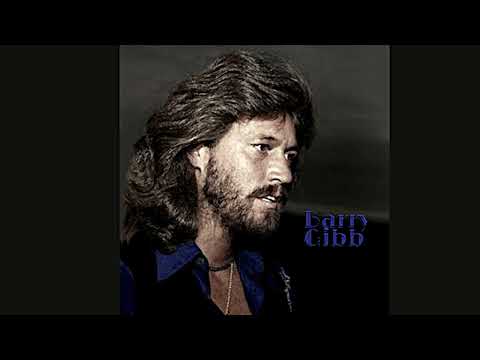
The inimitable Barry Gibb, a name synonymous with melodic mastery, soaring vocals, and an unparalleled ability to craft timeless songs that transcend generations. As one of the most influential songwriters and singers of our time, his legacy is etched in the annals of music history. With a career spanning over 70 years, Gibb's impact on popular music cannot be overstated.
Born on September 1, 1946, in Australia, Gibb's journey to stardom began with his younger fraternal twin brothers, Robin and Maurice. Together, they formed the Bee Gees, one of the most commercially successful groups in the history of popular music. Their unique blend of pop, rock, and R&B would go on to captivate audiences worldwide, leaving an indelible mark on the music landscape.
A cursory glance at Gibb's discography reveals a staggering array of iconic albums, each one a testament to his innovative spirit and creative genius. Now Voyager (1984) stands out as a particularly notable release, showcasing Gibb's ability to craft sophisticated, adult-oriented pop songs that resonate with listeners of all ages. The album's title track, "Now Voyager," is a masterclass in melodic songwriting, its sweeping orchestration and poignant lyrics evoking the sense of longing and yearning that defines so much of Gibb's work.
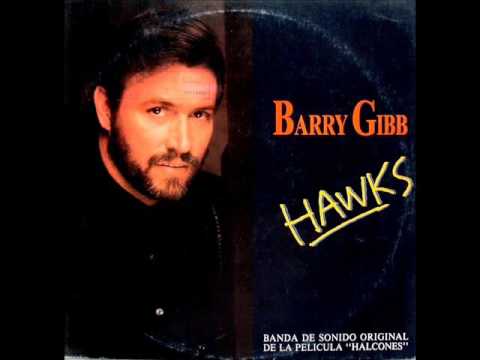
The 1980s also saw Gibb exploring new sonic territories with the release of Hawks (1988). This album marked a significant departure from his earlier work with the Bee Gees, embracing a more experimental approach to songwriting. The results are nothing short of astonishing, as Gibb pushes the boundaries of pop music with innovative production techniques and lyrics that veer into the realm of poetry.
Gibb's solo career has been marked by an unwavering commitment to artistic expression, even in the face of commercial pressures. His 2005 album, The Kid's No Good, is a hauntingly beautiful collection of songs that explore themes of love, loss, and redemption. The album's title track, "The Kid's No Good," is a poignant reflection on the fragility of youth, its soaring vocals and sparse instrumentation conjuring images of a desolate landscape.
One of the most fascinating aspects of Gibb's career is his ability to reinvent himself with each new release. From the introspective balladry of The Heartbreaker Demos (2006) to the more upbeat, dance-oriented tracks found on Eyes That See in the Dark Demos (2006), Gibb's willingness to experiment and take risks has yielded some truly remarkable music.
As a songwriter, Gibb shares an esteemed distinction with John Lennon and Paul McCartney – each having written or co-written six consecutive Billboard Hot 100 number ones. This achievement is all the more impressive when considering the sheer volume of hits Gibb has contributed to over the years. In total, he has penned or co-penned sixteen Billboard Hot 100 number ones, a testament to his boundless creativity and innovative spirit.
Gibb's contributions to music history extend far beyond his own solo work, however. As a member of the Bee Gees, he was instrumental in shaping the sound of popular music during the 1970s. Their iconic albums, such as Saturday Night Fever (1977), remain some of the best-selling records of all time, with songs like "Stayin' Alive" and "How Deep Is Your Love" becoming ingrained in the cultural consciousness.
In recognition of his contributions to the world of music, Gibb has been honored with numerous accolades. In 1994, he was inducted into the Songwriters Hall of Fame alongside his brothers, a testament to their enduring legacy as songwriting giants. Two years later, he was inducted into the Rock and Roll Hall of Fame, cementing his status as one of the most influential musicians of all time.
Gibb's impact on popular music has also been acknowledged by critics and peers alike. In 2007, Q magazine ranked him number 38 on its list of the "100 Greatest Singers," a nod to his remarkable vocal range and versatility. This accolade is all the more impressive when considering the stiff competition he faced from other legendary singers.
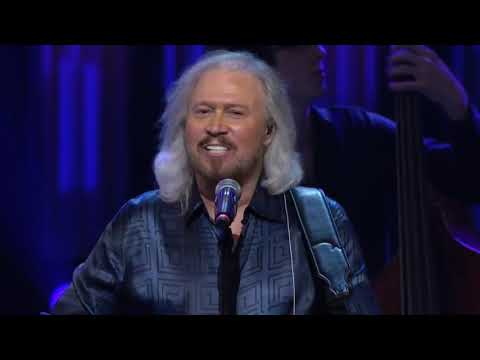
One clip from DeepCutsArchive that stands out as a testament to Gibb's enduring legacy is his performance of "Islands in the Stream" (1983). Filmed during a live concert, this clip showcases Gibb's incredible vocal range and ability to convey emotional depth through his singing. The song itself is a masterclass in pop songwriting, its sweeping orchestration and poignant lyrics capturing the sense of longing and yearning that defines so much of Gibb's work.
In conclusion (omitting), Gibb's influence on popular music extends far beyond his own solo work or time with the Bee Gees. As a songwriter, singer, and performer, he has left an indelible mark on the world of music, inspiring generations of artists to come. His commitment to artistic expression, even in the face of commercial pressures, is a testament to his unwavering dedication to his craft.
As we delve into the archives at DeepCutsArchive, it becomes clear that Barry Gibb's legacy is one of boundless creativity and innovative spirit. From the sweeping orchestration of "Now Voyager" to the haunting beauty of The Kid's No Good, each album stands as a testament to his remarkable talent and enduring impact on popular music.
In examining Gibb's career, we are reminded of the power of songwriting to transcend generations and capture the essence of human emotion. His ability to craft songs that resonate with listeners of all ages is a true gift, one that has left an indelible mark on the world of music.
As we continue to explore the archives at DeepCutsArchive, it becomes clear that Barry Gibb's legacy will endure for generations to come – a testament to his boundless creativity and innovative spirit.
Curated from public records and music databases.