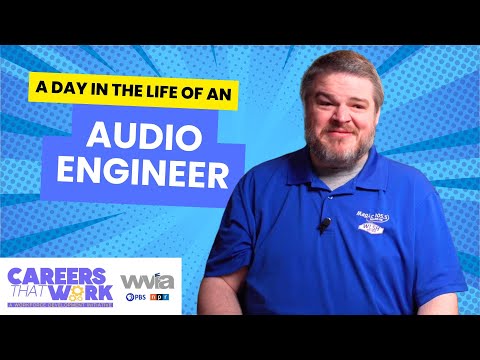
Audio engineer — Rare Footage & Clips
The unsung heroes of sound. Behind every iconic recording, every electrifying live performance, and every cinematic soundtrack lies a masterful audio engineer – an artist in their own right, manipulating the very fabric of music itself. Theirs is a world of subtle nuance, where the difference between sonic bliss and cacophonous chaos hangs precariously in the balance.
In the annals of DeepCutsArchive, there exist countless examples of audio engineers at work, their craft woven seamlessly into the fabric of history. Take, for instance, the legendary Abbey Road Studios, where The Beatles' groundbreaking recordings were shaped by the deft hands of Geoff Emerick and Alan Parsons. Their innovative use of tape loops, reverse recording, and other avant-garde techniques helped push the boundaries of what was possible in popular music.
Or consider the pioneering work of Les Paul, whose experiments with multitrack recording at Capitol Studios paved the way for the modern studio as we know it today. Paul's trailblazing spirit is still felt in the world of audio engineering, where artists and technicians alike continue to push the limits of what can be achieved through sound.
But audio engineers are not merely technical wizards; they are also creative collaborators, working closely with musicians to shape the very essence of their art. As the Wikipedia biography notes, "the physical recording of any project is done by an engineer…", underscoring the critical role these individuals play in bringing music to life. It's a partnership built on trust, intuition, and a deep understanding of the artist's vision.
In recent years, sound engineering has increasingly been recognized as a creative profession in its own right – an art form that demands a unique blend of technical expertise, artistic flair, and emotional intelligence. The boundaries between technology and music have never been more blurred, with audio engineers working alongside musicians to craft immersive experiences for film, television, video games, and live performances.
This shift has led to the development of new technologies and techniques, from 3D sound design to advanced signal processing algorithms. Audio engineers are now expected to be not only skilled technicians but also creative problem-solvers, able to navigate complex sonic landscapes with ease. It's a role that demands an unwavering passion for music, a keen ear for detail, and a willingness to experiment and innovate.
But what of the audio engineer who holds an engineering degree? Here lies another fascinating story – one of innovation, experimentation, and technological advancement. These individuals design, develop, and build new audio technologies, pushing the boundaries of what is possible in sound reproduction. Their work may not always be visible to the naked eye, but its impact on music history is undeniable.
Consider, for example, the development of digital recording technology by pioneers like Ray Dolby and Bill Putnam. These engineers revolutionized the way music was recorded and reproduced, freeing artists from the constraints of analog tape and opening up new possibilities for creative expression. Their work continues to shape the modern studio landscape, where the boundaries between technology and art are constantly being redefined.
As we explore the world of audio engineering on DeepCutsArchive, it becomes clear that these individuals play a vital role in shaping music history. From the earliest days of recording to the cutting-edge technologies of today, their contributions have been instrumental in pushing the boundaries of what is possible in sound. They are the unsung heroes of our sonic landscape – artists, innovators, and technicians who bring music to life with every passing day.
In this archive, we'll delve into the fascinating world of audio engineering, exploring the stories of those who have shaped the course of music history. From legendary studios to groundbreaking technologies, we'll uncover the secrets behind some of the most iconic recordings in history – and meet the talented individuals who made it all possible.
Curated from public records and music databases.