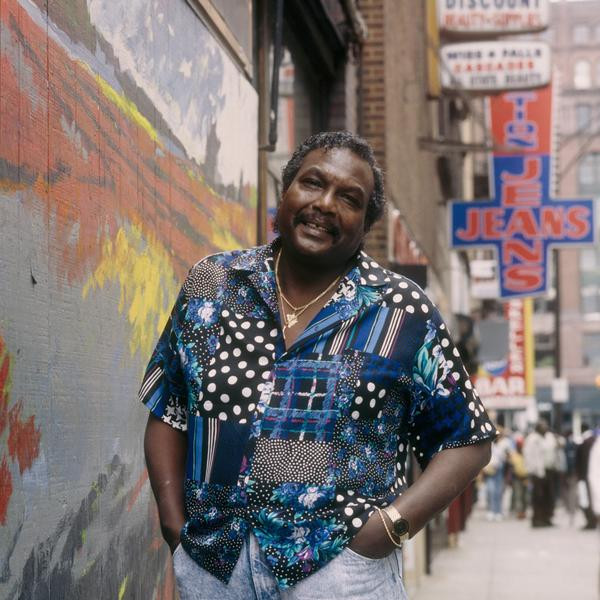
Arthur Alexander — Rare Footage & Clips
Arthur Alexander's legacy is a testament to the enduring power of music to transcend time and circumstance. A southern soul/country soul singer from Florence, Alabama, Alexander's impact on the genre cannot be overstated. Born on May 10, 1940, he began his career in the early 1960s, recording at the iconic Muscle Shoals Studio, a prototype that would go on to become one of the most influential studios in music history.
The money generated from his hit single "You'd Better Move On" (1962) was instrumental in helping Rick Hall develop the studio into what it is today. This fact alone speaks volumes about Alexander's significance in music history. He may not have achieved widespread fame during his lifetime, but his contributions to the genre are undeniable.
One of the most striking aspects of Alexander's career is the number of artists who have covered his songs over the years. The Beatles and The Rolling Stones are among those who owe a debt to this singer from Alabama. His harmony-laden "Anna" (clip available on [m45362]) has been widely praised for its beauty, while "You Better Move On" appears on various EPs ([m54293]). Other notable artists have also recorded Alexander-penned songs, including [m107567], who brought a fresh perspective to the classic tune.
The fact that artists such as The Beatles and The Rolling Stones would choose to cover Alexander's songs is a testament to his skill as a songwriter. His ability to craft timeless melodies and lyrics that resonate with audiences has made him a beloved figure in music history. It's also worth noting that Alexander's style, characterized by his soft, low crooning voice, bears a striking resemblance to that of Sam Cooke.
Despite his achievements, Alexander's personal life was marked by health problems that forced him to retire from the music business in 1975. A comeback album released in 1993, "Lonely Just Like Me," received widespread critical acclaim and sparked a renewed interest in his work. Unfortunately, this resurgence was short-lived, as Alexander passed away on June 9, 1993, due to heart failure.
The significance of Alexander's music cannot be overstated. His songs have been covered by some of the most iconic artists in history, and their influence can still be felt today. The fact that he was able to record at the pioneering Muscle Shoals Studio, helping to shape the sound of southern soul and country soul, is a testament to his importance in music history.
One of the most fascinating aspects of Alexander's career is the number of albums he released throughout his lifetime. Notable titles include "Arthur Alexander" (1972), "A Shot of Rhythm and Soul" (1982), "Soldier of Love" (1987), "The Greatest" (1989), and "Lonely Just Like Me" (1993). These albums showcase Alexander's versatility as a singer and songwriter, and demonstrate his ability to adapt to changing musical trends.
In addition to these studio recordings, Alexander also released several live albums, including "Rainbow Road" (1994) and "The Monument Years" (2001). These releases provide valuable insight into his stage presence and ability to connect with audiences. Despite struggling with health issues throughout his career, Alexander's passion for music never wavered.
Alexander's impact on the music world extends beyond his own recordings. His influence can be heard in the work of countless other artists who have covered his songs or been inspired by his style. The fact that he was able to transcend genres and appeal to a wide range of audiences is a testament to his talent as a singer and songwriter.
In conclusion, Arthur Alexander's legacy is a rich tapestry of music, influence, and inspiration. His contributions to the genre of southern soul and country soul are undeniable, and his impact on artists such as The Beatles and The Rolling Stones cannot be overstated. As we continue to explore and appreciate his work, it becomes increasingly clear that Alexander's significance in music history will only continue to grow.
Editorial context researched and compiled from verified sources.