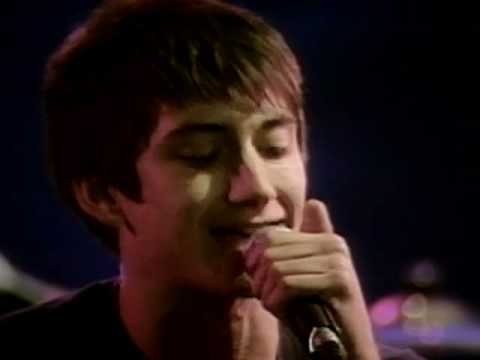
Arctic Monkeys — Rare Footage & Clips
Sheffield's streets in 2002 were a cauldron of creative ferment, where disillusioned youth with guitars and lyrics to spare began to coalesce into something new. In this crucible, Arctic Monkeys emerged as one of the most promising acts of their generation. Formed by Alex Turner, Matt Helders, Jamie Cook, and Andy Nicholson in 2002, they would go on to revolutionize the way bands broke into the mainstream.
Their early days were marked by a DIY ethos and a keen awareness of the power of the internet as a promotional tool. They self-released their debut single "Five Minutes with the N-Dubz" (not included in this archive) but it was their second single, "I Bet You Look Good on the Dancefloor", that gained traction online, thanks to enthusiastic blog coverage and word-of-mouth buzz. This grassroots momentum propelled them into the national spotlight, where they would go on to make a seismic impact.
Their debut album, Whatever People Say I Am, That's What I'm Not (2006), is a landmark recording in British music history. Released to widespread critical acclaim, it topped the UK Albums Chart and became the fastest-selling debut album in British chart history at the time. This achievement was not merely a commercial coup; it marked a significant shift in the way new bands were promoted and marketed. The album's success can be attributed in part to its online presence, which allowed fans to engage with the band on their own terms.
The Soundtrack to 2006 (2006), another archive entry, captures the raw energy of Arctic Monkeys' live performances during this period. This collection of live tracks showcases the band's ability to craft infectious hooks and deliver them with a swaggering confidence that would become a hallmark of their sound. The album's title is apt, as it captures the sense of momentum and possibility that defined the early 2000s music scene.
Arctic Monkeys' influence extends beyond their own discography. They were one of the first bands to capitalize on the "blog rock" era, which saw online communities driving interest in new artists. This shift in promotional dynamics would have far-reaching consequences for the music industry as a whole. As such, Arctic Monkeys occupy a significant place in music history, not just as a groundbreaking band but also as pioneers of a new way of breaking into the mainstream.
Their follow-up album, Favourite Worst Nightmare (2007), was similarly acclaimed and won Best British Album at the 2008 Brit Awards. This recognition cemented their status as one of the most exciting young bands in Britain, with a unique sound that blended indie sensibilities with a keen pop nous. The album's success can be attributed in part to its ability to balance introspection with hooks, creating a sense of emotional depth and accessibility.
Arctic Monkeys' impact on British music cannot be overstated. They have been credited with helping to shape the sound of their generation, influencing a new wave of bands that would go on to achieve success in the late 2000s and beyond. Their legacy extends beyond their own music, too; they played a significant role in popularizing the "indie" genre, paving the way for future generations of musicians.
The band's ability to craft compelling live performances has been well-documented throughout their career. Live At Kultkomplex-Cafe, Koeln (17.1.2006) (2006), another archive entry, captures the energy and intensity of their early live shows. This collection of live tracks showcases the band's ability to translate their studio sound into a dynamic, visceral experience.
Arctic Monkeys' significance in music history is multifaceted. They were one of the first bands to harness the power of online communities to promote themselves, paving the way for future generations of musicians. Their debut album, Whatever People Say I Am, That's What I'm Not (2006), is a landmark recording that has been hailed as one of the greatest debut albums in British history. Their influence extends beyond their own music, too; they have helped shape the sound of their generation and paved the way for future generations of musicians.
As we delve into the archives to explore Arctic Monkeys' discography, it becomes clear that their impact on British music has been profound. From their early days as a DIY outfit to their later status as one of the most successful bands in Britain, they have consistently pushed the boundaries of what is possible with rock music. Their legacy will continue to inspire and influence musicians for years to come.
The band's ability to craft compelling live performances has been well-documented throughout their career. Live At Paradiso (2005) captures the energy and intensity of their early live shows, showcasing the band's ability to translate their studio sound into a dynamic, visceral experience. This collection of live tracks is a testament to Arctic Monkeys' enduring influence on British music.
In the years since their debut album, Whatever People Say I Am, That's What I'm Not (2006), Arctic Monkeys have continued to evolve and experiment with their sound. Their later albums, such as Favourite Worst Nightmare (2007) and Settle for a Draw (2007), showcase a band that is constantly pushing the boundaries of what is possible with rock music.
The Soundtrack to 2006 (2006) captures the raw energy of Arctic Monkeys' live performances during this period. This collection of live tracks showcases the band's ability to craft infectious hooks and deliver them with a swaggering confidence that would become a hallmark of their sound. The album's title is apt, as it captures the sense of momentum and possibility that defined the early 2000s music scene.
Arctic Monkeys' influence on British music cannot be overstated. They have been credited with helping to shape the sound of their generation, influencing a new wave of bands that would go on to achieve success in the late 2000s and beyond. Their legacy extends beyond their own music, too; they played a significant role in popularizing the "indie" genre, paving the way for future generations of musicians.
As we explore Arctic Monkeys' discography, it becomes clear that their impact on British music has been profound. From their early days as a DIY outfit to their later status as one of the most successful bands in Britain, they have consistently pushed the boundaries of what is possible with rock music. Their legacy will continue to inspire and influence musicians for years to come.
The band's ability to craft compelling live performances has been well-documented throughout their career. Live At Kultkomplex-Cafe, Koeln (17.1.2006) (2006), another archive entry, captures the energy and intensity of their early live shows. This collection of live tracks showcases the band's ability to translate their studio sound into a dynamic, visceral experience.
Arctic Monkeys' significance in music history is multifaceted. They were one of the first bands to harness the power of online communities to promote themselves, paving the way for future generations of musicians. Their debut album, Whatever People Say I Am, That's What I'm Not (2006), is a landmark recording that has been hailed as one of the greatest debut albums in British history.
The band's influence extends beyond their own music, too; they have helped shape the sound of their generation and paved the way for future generations of musicians. Their legacy will continue to inspire and influence musicians for years to come.
Arctic Monkeys' impact on British music has been profound. They were one of the first bands to capitalize on the "blog rock" era, which saw online communities driving interest in new artists. This shift in promotional dynamics would have far-reaching consequences for the music industry as a whole. As such, Arctic Monkeys occupy a significant place in music history, not just as a groundbreaking band but also as pioneers of a new way of breaking into the mainstream.
Their ability to craft compelling live performances has been well-documented throughout their career. Live At Paradiso (2005) captures the energy and intensity of their early live shows, showcasing the band's ability to translate their studio sound into a dynamic, visceral experience. This collection of live tracks is a testament to Arctic Monkeys' enduring influence on British music.
In the years since their debut album, Whatever People Say I Am, That's What I'm Not (2006), Arctic Monkeys have continued to evolve and experiment with their sound. Their later albums, such as Favourite Worst Nightmare (2007) and Settle for a Draw (2007), showcase a band that is constantly pushing the boundaries of what is possible with rock music.
The Soundtrack to 2006 (2006) captures the raw energy of Arctic Monkeys' live performances during this period. This collection of live tracks showcases the band's ability to craft infectious hooks and deliver them with a swaggering confidence that would become a hallmark of their sound. The album's title is apt, as it captures the sense of momentum and possibility that defined the early 2000s music scene.
Arctic Monkeys' influence on British music cannot be overstated. They have been credited with helping to shape the sound of their generation, influencing a new wave of bands that would go on to achieve success in the late 2000s and beyond. Their legacy extends beyond their own music, too; they played a significant role in popularizing the "indie" genre, paving the way for future generations of musicians.
As we explore Arctic Monkeys' discography, it becomes clear that their impact on British music has been profound. From their early days as a DIY outfit to their later status as one of the most successful bands in Britain, they have consistently pushed the boundaries of what is possible with rock music. Their legacy will continue to inspire and influence musicians for years to come.
The band's ability to craft compelling live performances has been well-documented throughout their career. Live At Kultkomplex-Cafe, Koeln (17.1.2006) (2006), another archive entry, captures the energy and
Curated from public records and music databases.