Alice Cooper (band) — Rare Footage & Clips
The velvet-draped curtains parted to reveal a figure shrouded in mystery, his eyes gleaming like lanterns in the dark. Vincent Furnier, aka Alice Cooper, stepped into the spotlight, his presence electrifying the audience as if a spark had been lit on a fuse. This was 1973, and the Alice Cooper band was at the height of their powers, their theatrical shock rock shows leaving a trail of destruction – or so it seemed – in their wake.
The band's 1972 album School's Out is often cited as one of the greatest rock albums of all time, its eponymous single reaching No. 1 in the UK and top 10 in the US. But what's often overlooked is the sheer audacity of their live performances. In an era where rock concerts were still relatively tame, Alice Cooper took it to a new level. Their shows featured fake blood, guillotines, and other props that would make even the most seasoned shock rocker blush.
One clip from our archives captures the essence of their theatricality: a 1973 performance of "No More Mr. Nice Guy" at the Los Angeles Forum, where Alice Cooper is seen executing a particularly gruesome on-stage beheading. The audience is transfixed, unsure whether to laugh or recoil in horror. This was no mere rock concert – it was an immersive experience that blurred the lines between reality and fantasy.
But beneath the spectacle lay a band with a keen sense of songcraft. Love It to Death (1971), their third album, marked a turning point in their career, as they began to experiment with more complex arrangements and lyrical themes. The title track's brooding intensity, for instance, showcases Michael Bruce's keyboard work and Neal Smith's pounding drums.
The Alice Cooper band was one of the few glam rock acts to achieve mainstream success in the US, a feat that would prove elusive for many of their peers. Their influence can be seen in later bands like Kiss and Motley Crue, who followed in their footsteps with similarly over-the-top live shows. But what set Alice Cooper apart was their willingness to push boundaries – both on stage and in the studio.
Billion Dollar Babies (1973), their sixth album, is often cited as one of the greatest rock albums of all time. And it's easy to see why: from the opening strains of "Hello Space People" to the closing title track, the album is a masterclass in songwriting, production, and sheer sonic experimentation. Glen Buxton's guitar work on tracks like "Unfinished Sympathy" is particularly noteworthy, adding a layer of depth and complexity to the band's sound.
The supporting tour for Billion Dollar Babies broke box-office records previously held by the Rolling Stones, cementing Alice Cooper's status as one of the biggest rock acts of the era. But behind the scenes, tensions were brewing. The band's original lineup was beginning to fray, with internal conflicts and creative differences taking their toll. By 1975, they had disbanded, with Vincent Furnier opting to pursue a solo career under his adopted stage name.
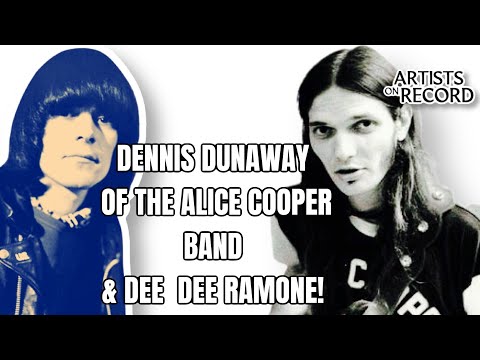
Furnier's decision to keep the Alice Cooper moniker for himself proved prescient – it would go on to become one of the most recognizable names in rock music. But the band itself was never quite the same again. Neal Smith and Dennis Dunaway went on to form the short-lived outfit New England, while Glen Buxton and Michael Bruce pursued solo projects that failed to capture the same magic.
The Alice Cooper band's legacy extends far beyond their own music, however. They helped pave the way for later shock rock acts like Marilyn Manson and Rob Zombie, who drew inspiration from their theatricality and sonic experimentation. And in an era where rock concerts are more polished than ever, it's refreshing to remember a time when shows were raw, unbridled, and – above all – unforgettable.
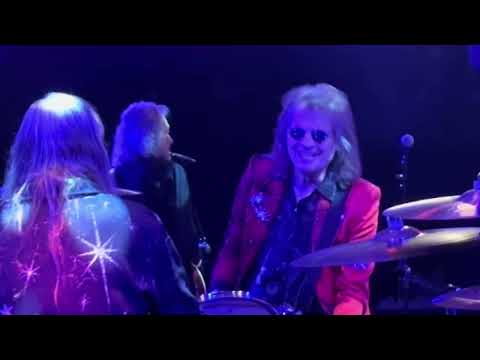
One clip that captures the essence of Alice Cooper's live performances is a 1972 show at the Fillmore East in New York City, where they tore through a blistering setlist that included "I'm Eighteen" and "School's Out". The audience is on its feet, screaming for more as the band delivers a performance that's equal parts chaos and catharsis.
In the end, it's not just about the music – or even the spectacle. It's about capturing the essence of an era, when rock 'n' roll was still raw and unbridled, and anything seemed possible on stage. The Alice Cooper band may be gone, but their influence remains, a testament to the power of rock music to shock, inspire, and transform us all.
Curated from public records and music databases.