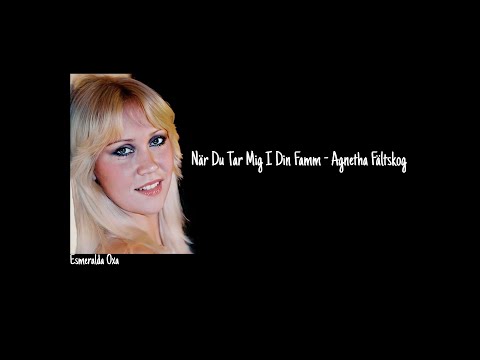
Agnetha Fältskog — Rare Footage & Clips
Agnetha Fältskog's legacy in music history is a testament to her enduring talent and dedication to her craft. As one of Sweden's most beloved singers and songwriters, she has left an indelible mark on the industry. Born on April 5th, 1950, in Jönköping, Sweden, Fältskog's music career spans over five decades, with a remarkable trajectory that includes her early solo work, her time as a member of ABBA, and her subsequent solo endeavors.
One of the most fascinating aspects of Fältskog's career is her pre-ABBA output. In 1967, she released her first single, marking the beginning of a successful string of releases that would precede her rise to fame with ABBA. The following year, in 1968, Fältskog released several singles in German, many of which were written and/or arranged by Dieter Zimmermann, whom she was briefly engaged to at the time. This period of her career is often overlooked, but it's essential to acknowledge the significance of these early releases, as they demonstrate Fältskog's ability to craft catchy, memorable songs that would later become a hallmark of ABBA's sound.
In 1971, Fältskog married Björn Ulvaeus, with whom she had two children. Ulvaeus played a crucial role in producing most of her solo material during the 1970s, and their marriage also brought about a creative synergy that would influence Fältskog's music for years to come. The couple's separation in 1978 marked a significant turning point in Fältskog's life, but it didn't slow down her artistic momentum.
Fältskog's induction into the Rock and Roll Hall of Fame in 2010, as a member of ABBA, is a testament to her enduring impact on popular music. However, it's essential to recognize that her contributions extend far beyond her work with ABBA. As a solo artist, Fältskog has released numerous albums and singles, often showcasing her versatility and ability to adapt to different styles and genres.
One notable example of this adaptability is evident in the 1982 album "Wrap Your Arms Around Me." Released during a period when Fältskog resumed her solo career in English, this album marked a significant shift towards more mature, introspective songwriting. The title track, with its soaring vocals and lilting melody, showcases Fältskog's ability to craft songs that are both deeply personal and universally relatable.
Fältskog's music often explores themes of love, relationships, and self-discovery, reflecting her own life experiences and emotions. Her 1985 album "Eyes of a Woman" is another example of this introspective approach, with songs like the title track and "Can't Shake Off the Feeling" offering a glimpse into Fältskog's inner world.
In addition to her solo work, Fältskog has also been involved in various collaborations and projects. Her Christmas album, released in 1981, features her daughter Linda Ulvaeus on vocals, demonstrating the importance of family and relationships in Fältskog's life and music. The album "[m=595386]" (1979) is another example of Fältskog's ability to create music that transcends genre boundaries, with its blend of pop, rock, and folk influences.
Fältskog's decision to release her 2004 album "My Colouring Book" marked a significant return to her solo career after a hiatus of almost two decades. This album, which features reworked versions of classic songs by Swedish artists like Lars Passgård and Karin Kraft, showcases Fältskog's ability to reinterpret and reimagine existing material.
In 2013, Fältskog released the album "[m=554406]," a collection of original songs that demonstrate her continued relevance as a songwriter. The album's title track, with its lilting melody and poignant lyrics, is a testament to Fältskog's enduring ability to craft songs that resonate with listeners.
Fältskog's performance of "I'm Still Alive" in 1979-80 ABBA concerts wasn't officially released until 2014. This previously unreleased material offers a fascinating glimpse into the creative process and artistic vision of one of music's most beloved acts. The fact that this song, recorded during a pivotal moment in Fältskog's career with ABBA, was only released decades later highlights the importance of archival work and the ongoing relevance of Fältskog's contributions to popular music.
In conclusion, Agnetha Fältskog's legacy is a testament to her dedication to her craft and her enduring impact on popular music. From her early solo releases to her time with ABBA and subsequent solo endeavors, Fältskog has consistently demonstrated her ability to adapt, innovate, and push the boundaries of what is possible in songwriting. As we continue to explore and celebrate her contributions to music history, it's clear that Agnetha Fältskog remains an essential figure in the world of popular music.
Curated from public records and music databases.